|
|
Approximate
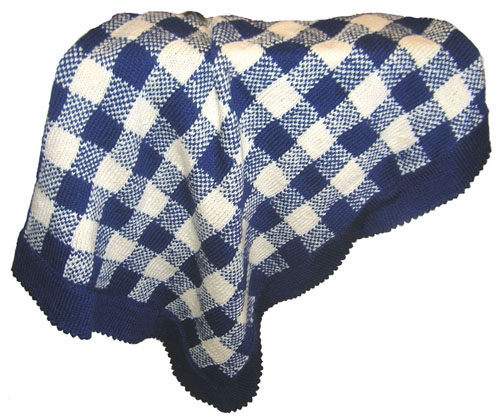
size including border: 31 inches wide x 36 inches long
|
Our patterns have been worked many times by our in
shop clients. Your comments are always welcome.
Hide and Seek (sometimes also called
hide and go seek): a popular variant of the game tag, in which one or more players search for the other players. Numerous
variants of the game occur worldwide.
The game starts with all players in a central location. One
player is given the designation of "it". There are two portions to the game: the hiding - all the players, except "it", locate
a place in which to hide, and the seeking - "it" attempts to locate at least one of the players. The overall objective is
to not be discovered by "it". The hiding portion of the game begins with "it" using a method to avoid seeing the other players
hiding, and counting out loud for a predetermined number of seconds, often with the aid of a word that takes about one second
to say (e.g., "one-alligator, two-alligator . . ." or "one-Mississippi, two-Mississippi . . ."). Meanwhile other players locate
a place to hide. When the counting is completed "it" usually announces the start of the seeking portion by shouting a phrase
such as "Ready or not, here I come!"
"It" then begins a search for the hiding players. In some
variations players may move to other hiding spots while "it" isn't looking, and those who can remain hidden the longest are
considered the best players. In a more active variant, the hidden players can attempt to make a dash for the "home base" (the
central location at which "it" was counting) and are considered safe if they can touch the home base prior to being touched
by "it". If they are thus caught before touching the base, they are considered "out". For safety reasons, this variant (often
known as House Hide and Seek) is rarely attempted indoors, instead players must remain in their hiding places until discovered.
When all players have been found or caught, the next game's "it" is usually the first player to be found or tagged attempting
to reach home base safely. Alternatively, the players can agree that the last person to be discovered or tagged will become
the next "it". A derivative of the popular hide and seek is called 'sardines'. In this variant, only one person hides and
the others must then find the person that's hiding and hide with them. The last person to find the group that's hiding is
the loser.
Besides having a beautiful afghan when you are finished,
this is a great introduction to intarsia knitting, using only 2 colors.
Also you can personalize the faced border with
duplicate stitch working the babies birth date, name, etc.
|
SKILL LEVELS FOR KNITTING
|
|
|
Projects for first-time knitters using basic knit and purl
stitches. Minimal shaping.
|
|
|
Projects using basic stitches, repetitive stitch patterns,
simple color changes, and simple shaping and finishing.
|
|
|
Projects with a variety of stitches, such as basic cables
and lace, simple intarsia, double-pointed needles and knitting in the round needle techniques, mid-level shaping and finishing.
|
|
|
Projects using advanced techniques and stitches, such as short
rows, fair isle, more intricate intarsia, cables, lace patterns and numerous color changes.
|
YARN AND AMOUNT: Rowan Classic Cashsoft dk or
Rowan Classic Cashsoft Baby dk
Main Color (the color the border is worked in): 7 balls
Contrasting Color: 5 balls
GAUGE: 22 stitches and 28 rows = 4 inches in stockinette stitch
NEEDLES:
size 6
YARDS: 142
CONTENT: 57% extra fine merino, 33% acrylic
microfibre, 10% cashmere
CARE: machine wash gentle cycle, lay flat to dry - do not dry clean
|
Cashsoft dk
Cashsoft Baby dk
|
|
| |
|
|
|